
 Dr Ashu Kumar Jain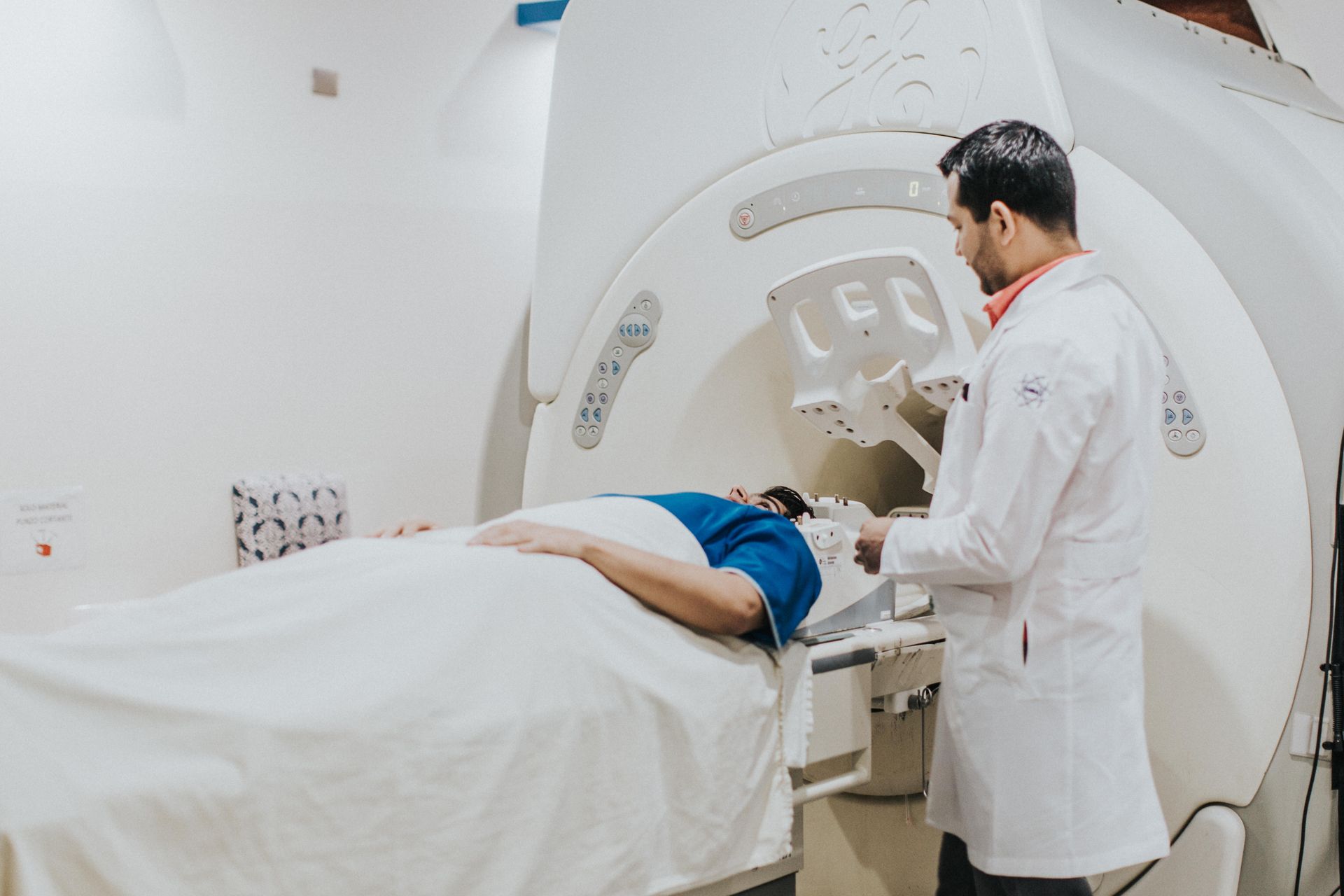
A slipped disc can sound frightening, especially when back pain travels into the leg. Many patients worry immediately about surgery or permanent damage. The reassuring truth is that many slipped discs improve with the right non-surgical care. But some symptoms should never be ignored because they may suggest serious nerve compression. Knowing the difference can protect long-term nerve function.
What Is a Slipped Disc?
The discs in the spine sit between the bones and act like cushions. A slipped disc, also called a herniated disc or prolapsed disc, happens when the inner part of the disc pushes outward through its outer layer.
If the disc material irritates or presses on a nearby nerve root, it can cause pain that travels away from the back. In the lower back, this often produces sciatica: pain going into the buttock, thigh, calf, or foot.
The amount of pain does not always match the size of the disc problem. A small disc in the wrong place can irritate a nerve strongly, while a larger disc may cause fewer symptoms if it is not pressing on an important nerve.
Common Symptoms That Are Painful but Not Always Dangerous
Many slipped disc symptoms are painful and disruptive, but not automatically an emergency. These include lower back pain, leg pain, tingling, numbness, or pain that worsens with sitting, bending, coughing, or sneezing.
These symptoms still deserve proper evaluation, especially if they last more than a few days or affect walking, work, sleep, or daily life.
The key question is whether the nerve is only irritated or whether it is losing function. Warning signs usually involve weakness, loss of control, or rapidly worsening numbness.

Warning Sign 1: Loss of Bladder or Bowel Control
Loss of bladder or bowel control with back pain is an emergency symptom. It may suggest compression of the nerves at the lower end of the spine, a condition called cauda equina syndrome.
This may appear as difficulty passing urine, loss of control, new constipation with numbness, or reduced awareness of bladder fullness.
If this happens, do not wait for a routine appointment. Seek emergency medical care immediately.
Warning Sign 2: Numbness Around the Private Area
Numbness around the groin, inner thighs, buttocks, or private area is another serious warning sign. Doctors often call this saddle numbness because it affects the area that would touch a saddle.
This symptom can occur with severe nerve compression and may appear with or without bladder and bowel changes.
Any new numbness in this area should be treated urgently.
Warning Sign 3: New or Worsening Leg Weakness
Pain alone is different from weakness. Weakness means the nerve may not be sending signals properly to the muscles.
Examples include difficulty lifting the foot, trouble climbing stairs, the knee giving way, dragging the leg, or feeling that one leg has suddenly become unreliable.
Progressive weakness should be assessed quickly. Waiting too long can reduce the chance of full nerve recovery.
- Foot drop or inability to lift the front of the foot
- Difficulty standing on the toes or heels
- Leg giving way while walking
- New difficulty climbing stairs
- Weakness that is getting worse over days
Warning Sign 4: Pain After Major Injury
Back pain after a fall, road accident, sports injury, or heavy impact should be evaluated carefully. A slipped disc may be one issue, but fracture, ligament injury, or other structural damage also needs to be considered.
This is especially important in older adults, people with osteoporosis, patients on long-term steroids, or anyone with severe pain after trauma.
Do not assume severe post-injury back pain is only muscular without assessment.
Warning Sign 5: Fever, Weight Loss, or Cancer History
Back pain with fever, unexplained weight loss, night sweats, history of cancer, or feeling generally unwell needs medical attention.
These symptoms do not always mean something dangerous, but they raise the possibility of infection, inflammation, or cancer-related spine problems.
In such cases, treatment should not be based only on painkillers or physiotherapy without proper evaluation.
Why Waiting Too Long Can Be Risky
Some nerve irritation improves with time, but severe or progressive nerve compression can cause lasting damage.
Pain may improve before nerve function fully recovers, which can be misleading. For example, a patient may feel less pain but continue to have weakness or numbness.
This is why warning signs should be taken seriously even if the pain intensity changes.
"With slipped disc symptoms, pain tells us the nerve is irritated. Weakness, numbness, or loss of control tells us the nerve may be in trouble."
How a Specialist Evaluates Slipped Disc Symptoms
Evaluation begins with the symptom pattern. Where does the pain start? Does it travel below the knee? Is there tingling, numbness, weakness, bladder or bowel change, or difficulty walking?
A physical examination checks strength, sensation, reflexes, straight leg raise, walking pattern, and signs of nerve involvement.
MRI may be needed when symptoms suggest nerve compression, when pain is severe or persistent, or when warning signs are present. The scan must be matched with the patient's symptoms and examination, not read in isolation.
What Treatment Options May Help?
Treatment depends on severity. If there are emergency symptoms such as bladder or bowel loss, saddle numbness, or progressive weakness, urgent surgical evaluation may be needed.
If the nerve is irritated but not dangerously compressed, non-surgical treatment may help. This can include medicines, activity modification, guided physiotherapy, and targeted pain procedures.
For selected patients with slipped disc-related sciatica, an epidural steroid injection or selective nerve root block can reduce inflammation around the irritated nerve. This may relieve pain, improve mobility, and create a safer window for rehabilitation.
- Identify whether symptoms are routine, urgent, or emergency-level
- Check for nerve weakness, numbness, and bladder or bowel symptoms
- Use MRI when the clinical pattern suggests nerve compression
- Consider epidural steroid injection or selective nerve root block for selected non-emergency cases
- Refer urgently for surgical opinion when nerve function is at risk
When Should You Seek Help?
Seek urgent care immediately if back pain is associated with bladder or bowel problems, numbness around the private area, rapidly worsening leg weakness, or foot drop.
You should also see a specialist if leg pain is severe, pain is spreading below the knee, numbness is increasing, walking is affected, or symptoms are not improving with basic treatment.
At Jain Pain Clinic in Gurugram, Dr Ashu Kumar Jain evaluates slipped disc-related pain by matching symptoms, examination findings, and imaging. The goal is to identify nerve risk early and choose the least invasive treatment that is safe for the patient.
The Takeaway
Most slipped discs are painful but not emergencies.
The warning signs are different: bladder or bowel changes, numbness around the private area, new or worsening weakness, foot drop, major injury, fever, unexplained weight loss, or cancer history.
If these symptoms appear, do not wait. Early evaluation can protect nerve function and help guide the right treatment.