
 Dr Ashu Kumar Jain
Burning feet, tingling toes, numbness, pins and needles, or electric-shock-like pain can be more than ordinary foot discomfort. In people with diabetes, these symptoms may point toward diabetic neuropathy, a type of nerve damage caused by long-term high blood sugar. The pain can disturb sleep, affect walking, and increase the risk of foot injuries that go unnoticed.
What Is Painful Diabetic Neuropathy?
Diabetic neuropathy is nerve damage related to diabetes. It can affect different nerves in the body, but the most common pattern starts in the feet and legs.
When neuropathy becomes painful, patients may feel burning, stabbing, tingling, crawling, or electric sensations. Some feel worse at night. Others feel both pain and numbness at the same time, which can be confusing.
The condition usually develops gradually. Many patients ignore the early signs because the symptoms come and go at first.
Why Do the Feet Get Affected First?
The longest nerves in the body travel all the way down to the feet. These long nerve fibers are especially vulnerable when blood sugar remains high over time.
That is why symptoms often begin in the toes or soles before moving upward. Doctors sometimes call this a stocking pattern because it can feel like symptoms are spreading in the area covered by socks.
The hands may become involved later, but feet are usually the first warning area.
How Does High Sugar Damage Nerves?
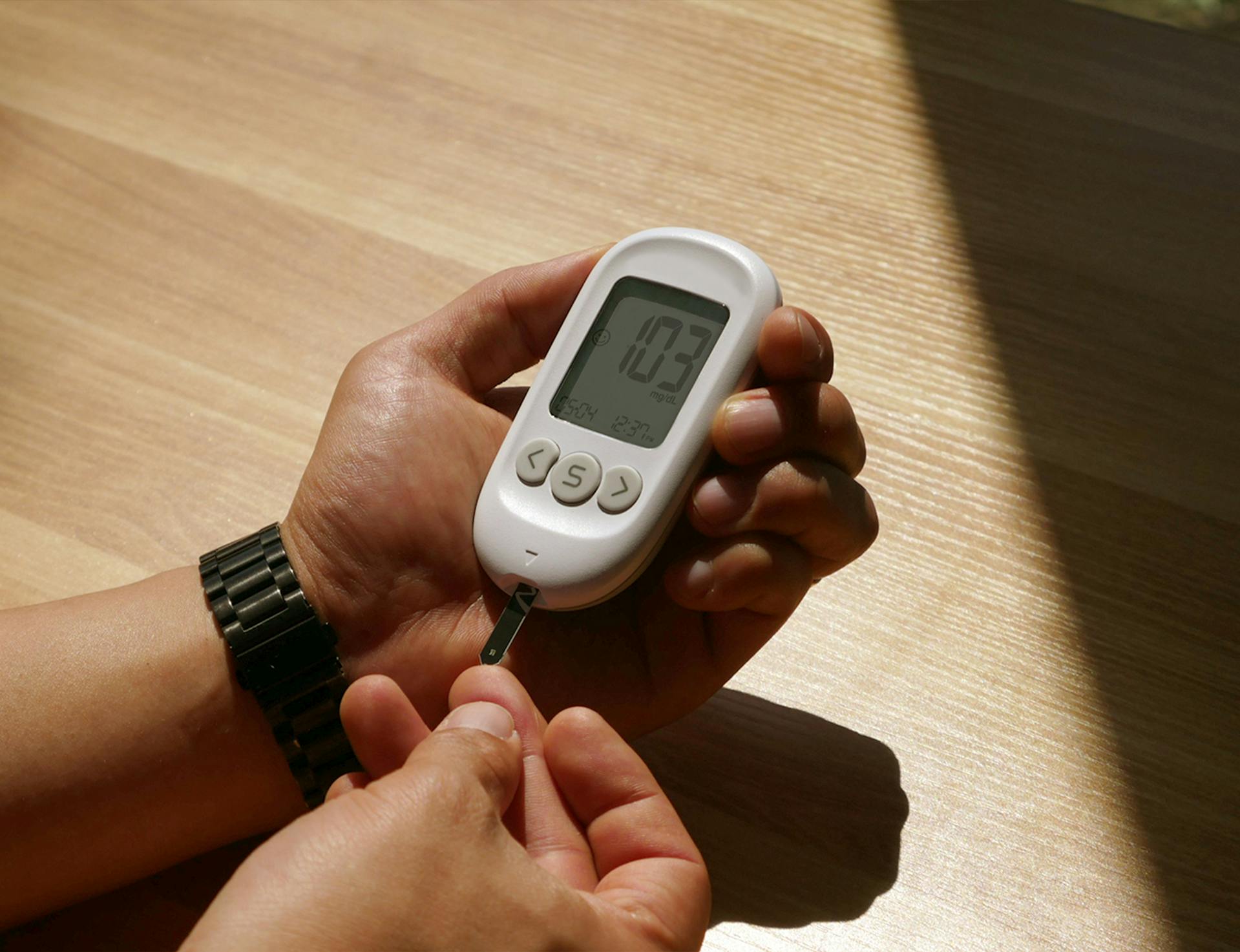
Nerves need a healthy blood supply to function. Persistently high blood sugar can damage the tiny blood vessels that deliver oxygen and nutrients to nerves.
High sugar also affects nerve metabolism directly. Over time, this can interfere with how nerves send signals, repair themselves, and respond to normal sensation.
The result is a mixed pattern: some nerves become overactive and generate burning pain, while others stop working properly and cause numbness or reduced sensation.
"Diabetic nerve pain is not just a foot problem. It is a sign that the nerve system needs protection, not just temporary pain relief."
Common Symptoms Patients Notice
Symptoms can vary from mild discomfort to severe pain that affects sleep and walking. Some patients describe it as standing on hot sand. Others say the feet feel cold, tight, numb, or unusually sensitive.
Painful symptoms may worsen at rest or at night because there are fewer distractions and the nervous system becomes more aware of abnormal signals.
Even if the pain is mild, numbness should be taken seriously because it can allow small injuries to become larger problems.
- Burning sensation in the feet, especially at night
- Tingling, pins and needles, or crawling sensations
- Sharp, stabbing, or electric-shock-like pain
- Numbness or reduced ability to feel temperature and pressure
- Pain from bedsheets, socks, or light touch
- Balance difficulty or feeling unsteady while walking
Why Numbness Can Be More Dangerous Than Pain
Pain is distressing, but numbness can be dangerous in a different way. If sensation is reduced, a patient may not notice a shoe bite, blister, cut, burn, or pressure injury.
In diabetes, wounds may also heal more slowly, especially if blood flow is reduced. This increases the risk of infection and foot ulcers.
That is why foot inspection is an important part of diabetes care. Looking at the feet daily can prevent small problems from becoming serious.
When Should You Seek Medical Attention?
You should seek evaluation if burning, tingling, numbness, or foot pain is recurring, worsening, disturbing sleep, or affecting walking.
Some signs need prompt attention because they may indicate infection, poor blood flow, or advanced nerve involvement.
Do not wait if there is a wound that is not healing, redness, swelling, pus, fever, blackening of skin, sudden weakness, or rapidly worsening numbness.
Treatment Is Not Only About Painkillers
Ordinary painkillers often do not work well for diabetic nerve pain because the problem is not simply inflammation or muscle strain.
Treatment usually needs several parts. Blood sugar control is essential to slow further nerve damage. Blood pressure, cholesterol, weight, smoking, kidney health, and foot care also matter.
For pain relief, doctors may use medicines that calm nerve signals. These are different from routine painkillers and should be chosen carefully based on the patient's age, sleep, kidney function, other medicines, and side effects.
What Can a Pain Specialist Add?
A pain specialist helps when nerve pain remains severe despite basic diabetes care, or when pain is affecting sleep, mood, walking, and daily function.
The first step is confirming whether the pain pattern truly fits diabetic neuropathy or whether another problem is contributing, such as spine-related nerve compression, vitamin deficiency, vascular disease, thyroid disease, alcohol-related neuropathy, or medication effects.
In selected patients, advanced pain management may include optimisation of nerve-pain medicines, topical therapies, rehabilitation support, sleep-focused strategies, and interventional options when another treatable pain generator is identified.
Daily Foot Care Matters
Foot care is not optional when diabetic neuropathy is present. It is one of the most practical ways to prevent complications.
Check the feet every day for cuts, redness, swelling, cracks, blisters, corns, calluses, or nail problems. Wear well-fitting footwear and avoid walking barefoot, even at home.
If you cannot see the soles clearly, use a mirror or ask a family member to check. Report wounds, colour changes, or swelling early.
- Keep blood sugar within the target range advised by your doctor
- Inspect both feet every day
- Avoid barefoot walking
- Use comfortable footwear that does not rub
- Treat small wounds early instead of waiting
- Discuss burning, numbness, or tingling at routine diabetes visits
The Takeaway
Painful diabetic neuropathy happens when diabetes damages nerves, most often starting in the feet.
Burning, tingling, electric pain, numbness, and night discomfort should not be ignored. They are signs that the nerves and feet need closer care.
At Jain Pain Clinic in Gurugram, Dr Ashu Kumar Jain evaluates nerve pain carefully to identify the pain source, improve symptom control, and support safer long-term function alongside diabetes care.