
 Dr Ashu Kumar Jain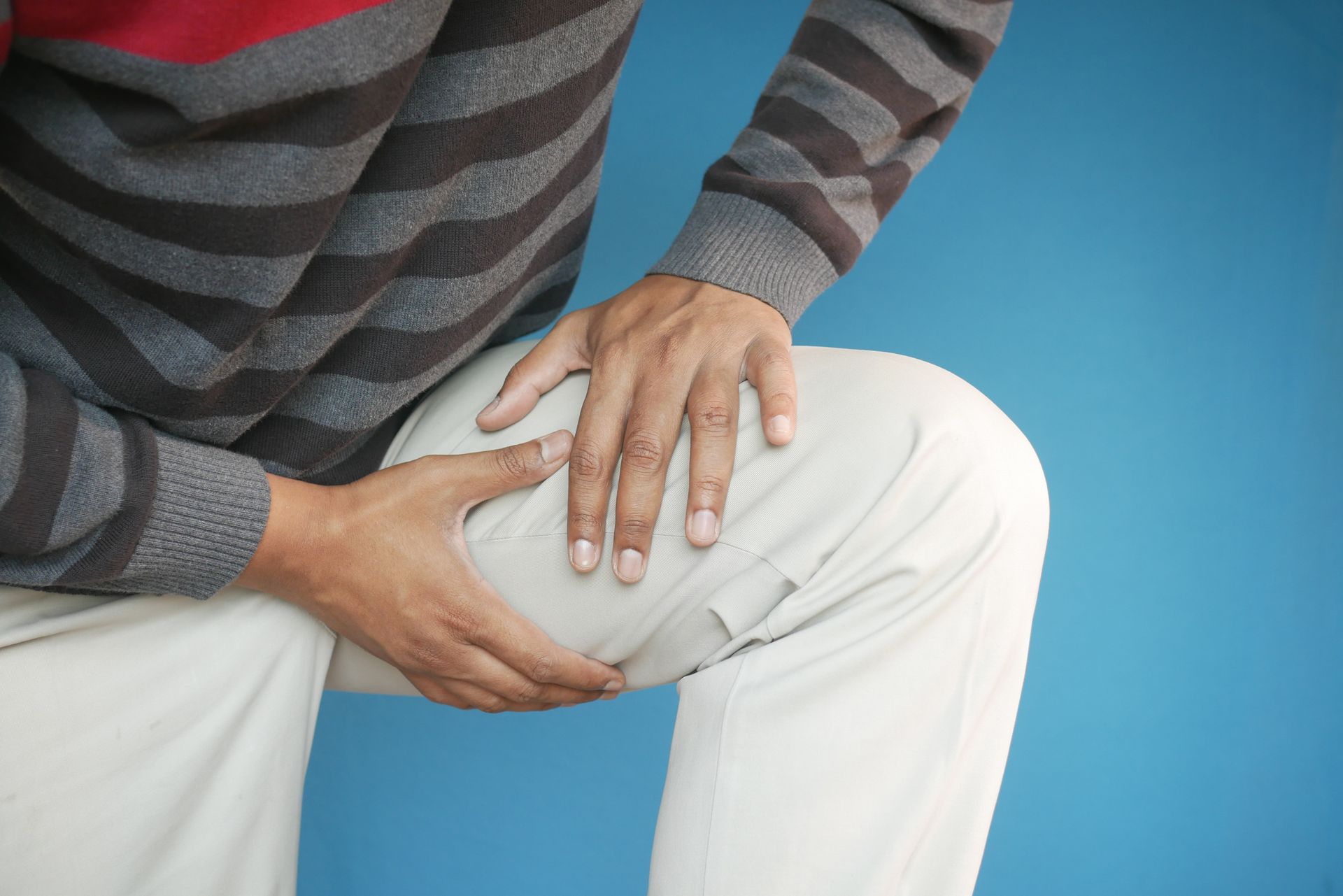
Burning pain in the thigh is often confusing. Many patients assume it is sciatica, hip pain, or a muscle strain. But when the pain is mainly on the outer thigh and feels burning, tingling, numb, itchy, or unusually sensitive, it may be meralgia paresthetica. This condition happens when a sensory nerve to the thigh becomes irritated or compressed.
What Is Meralgia Paresthetica?
Meralgia paresthetica is a nerve compression condition involving the lateral femoral cutaneous nerve. This nerve supplies sensation to the outer and front outer part of the thigh.
Because this nerve is sensory, meralgia paresthetica usually causes abnormal sensation rather than true muscle weakness. Patients may feel burning, tingling, numbness, crawling, itching, or electric discomfort over the outer thigh.
The pain can be mild at first, but in some patients it becomes persistent enough to disturb walking, sleep, clothing comfort, and daily activity.
Why It Is Often Mistaken for Sciatica
Sciatica usually starts from the lower back or buttock and travels down the back or side of the leg, sometimes reaching the calf or foot. Meralgia paresthetica is different because the symptoms are mainly limited to the outer thigh.
There may be burning or tingling, but usually no pain traveling below the knee and no true weakness in the leg.
This distinction matters because treatment for sciatica, hip pain, and meralgia paresthetica is not the same.
- Meralgia paresthetica: burning, tingling, or numbness mainly on the outer thigh
- Sciatica: pain often starts from the back or buttock and may travel below the knee
- Hip pain: often worsens with hip movement, rotation, stairs, or weight bearing
- Muscle strain: usually follows a clear injury and causes soreness with muscle use
Common Symptoms
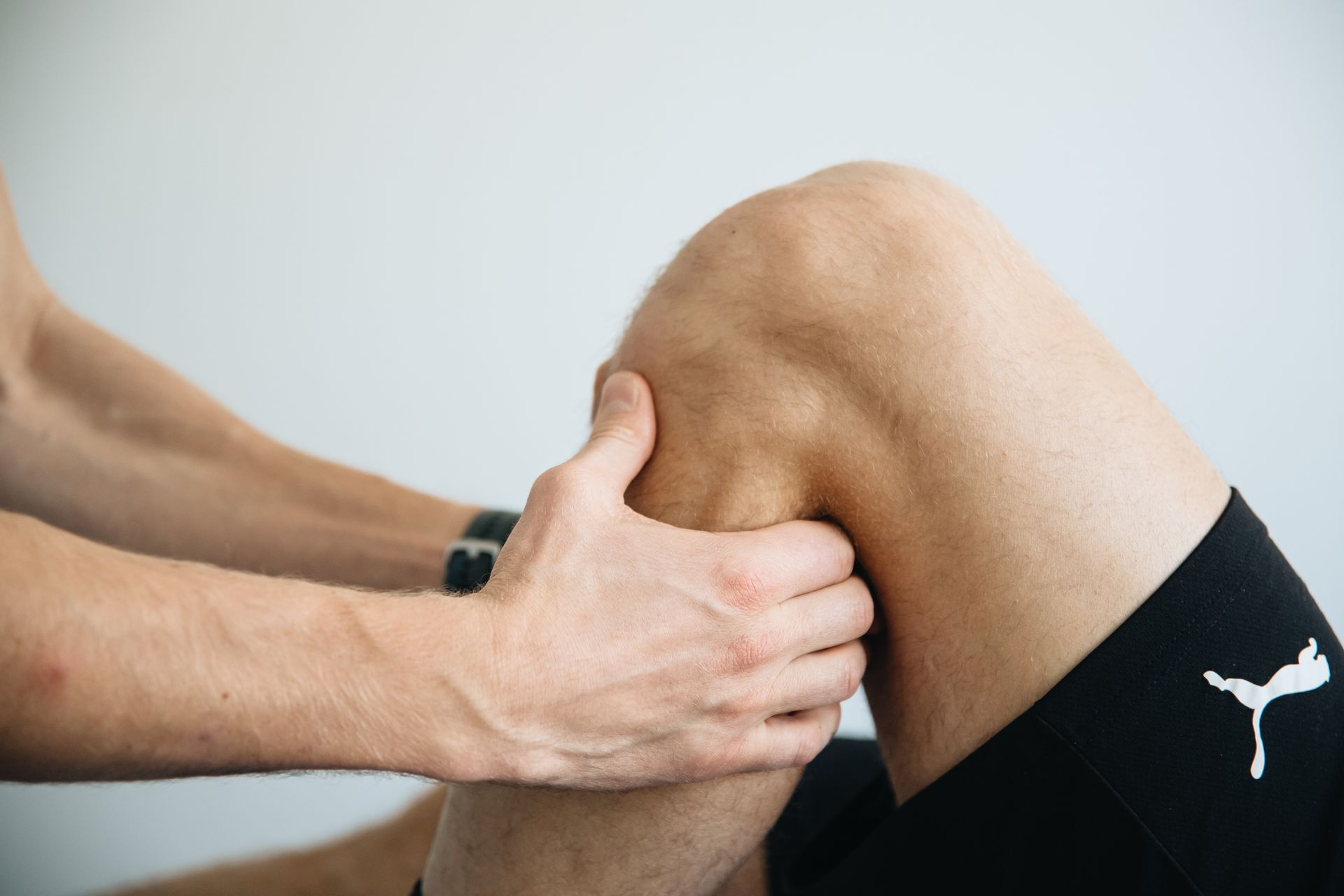
Meralgia paresthetica usually affects one side, although it can occasionally affect both thighs. The symptoms are felt over the outer thigh or front outer thigh.
Some patients describe the skin as painful to touch. Others feel numbness, burning, tingling, or a patch of altered sensation.
The symptoms may become worse with standing, walking, hip extension, tight clothing, belts, or pressure around the waist.
- Burning pain on the outer thigh
- Tingling or pins and needles
- Numb patch over the thigh
- Painful sensitivity to clothing or touch
- Itching or crawling sensation without a skin rash
- Symptoms worse with standing, walking, or tight waistbands
Why Does This Nerve Get Compressed?
The lateral femoral cutaneous nerve passes near the front of the hip and under a ligament close to the pelvis. This is a narrow area, so pressure here can irritate the nerve.
Tight belts, tight jeans, heavy tool belts, waistbands, obesity, pregnancy, prolonged standing, diabetes, and local injury can increase pressure on the nerve.
Sometimes symptoms begin after surgery around the hip, pelvis, lower abdomen, or spine. In post-surgical cases, pain clinic evaluation should happen only after surgical healing is complete and the surgeon has ruled out active surgical issues.
What Makes It Worse?
Some patients notice symptoms after long standing or walking. Others feel worse while lying flat with the hip extended or when wearing tight clothing around the waist.
The pain may also flare after weight gain, pregnancy, prolonged sitting with pressure near the waist, or repetitive hip movement.
Finding these triggers helps separate nerve compression from hip joint pain, muscle strain, or spine-related pain.
When It May Not Be Meralgia Paresthetica
Meralgia paresthetica should not cause true leg weakness. If the leg is weak, the foot is dragging, reflexes are changing, or pain travels from the back down to the foot, a spine-related nerve problem may be more likely.
Groin pain, deep hip pain, fever, unexplained weight loss, cancer history, trauma, or bladder and bowel symptoms also need different evaluation.
A correct diagnosis matters because outer thigh burning can overlap with lumbar radiculopathy, hip disease, diabetic neuropathy, and other nerve conditions.
"Outer thigh burning is a clue, not a final diagnosis. The pattern tells us which nerve or structure may be responsible."
How a Pain Specialist Evaluates It
At Jain Pain Clinic, evaluation begins with mapping the painful and numb area. The location of symptoms is important because meralgia paresthetica follows the sensory territory of the lateral femoral cutaneous nerve.
The examination may include checking sensation, skin sensitivity, hip movement, back movement, gait pattern, diabetes history, tight clothing or belt pressure, and signs that suggest spine or hip involvement.
If meralgia paresthetica is suspected, Dr Ashu Kumar Jain may perform an ultrasound-guided lateral femoral cutaneous nerve block. Relief after this block helps confirm that the nerve is the pain generator and also guides the next step in treatment.
Treatment Options
Treatment usually begins by reducing pressure on the nerve. This may include avoiding tight belts or waistbands, weight management when relevant, diabetes control, posture changes, and activity modification.
For nerve-type pain, medicines such as pregabalin, gabapentin, duloxetine, or tricyclic medicines may be considered when appropriate. These medicines are chosen based on pain severity, sleep disturbance, age, other medical conditions, and side effects.
At Jain Pain Clinic, Dr Ashu Kumar Jain treats meralgia paresthetica with an ultrasound-guided nerve block when the lateral femoral cutaneous nerve is suspected. If the block confirms the diagnosis and symptoms remain persistent, radiofrequency ablation may be considered for longer-term pain relief.
In selected chronic cases, radiofrequency ablation of the dorsal root ganglion, also called DRG RFA, may be used to reduce abnormal nerve pain signals and provide longer-lasting relief.
- Reduce pressure from belts, tight clothing, or waistbands
- Address weight, diabetes, pregnancy-related pressure, or posture factors when relevant
- Rule out spine, hip, pelvic, or post-surgical causes when symptoms do not fit
- Use neuropathic medicines when burning, tingling, or hypersensitivity is significant
- Perform an ultrasound-guided nerve block when the lateral femoral cutaneous nerve is suspected
- Consider RFA or DRG RFA for longer-term pain relief when symptoms persist and the diagnosis is clear
When Should You Seek Help?
You should seek help if burning or numbness on the outer thigh persists for more than a few weeks, keeps returning, affects walking, disturbs sleep, or becomes sensitive to clothing and touch.
Seek urgent medical care if there is true leg weakness, foot drop, bladder or bowel symptoms, fever, major trauma, unexplained weight loss, or severe back pain with worsening leg symptoms.
At Jain Pain Clinic in Gurugram, Dr Ashu Kumar Jain evaluates burning thigh pain by identifying whether the pain is coming from the lateral femoral cutaneous nerve, spine, hip, diabetes-related nerve disease, or a mixed source. When meralgia paresthetica is confirmed, treatment may include ultrasound-guided nerve block followed by RFA or DRG RFA for longer-term relief in selected patients.
The Takeaway
Burning, tingling, numbness, or touch-sensitive pain on the outer thigh may be meralgia paresthetica.
It is caused by irritation or compression of the lateral femoral cutaneous nerve and is often mistaken for sciatica, hip pain, or muscle strain.
The right treatment starts with the right diagnosis. At Jain Pain Clinic, ultrasound-guided nerve block can help confirm the diagnosis, and RFA or DRG RFA may be used for longer-term pain relief when appropriate.