
 Dr Ashu Kumar Jain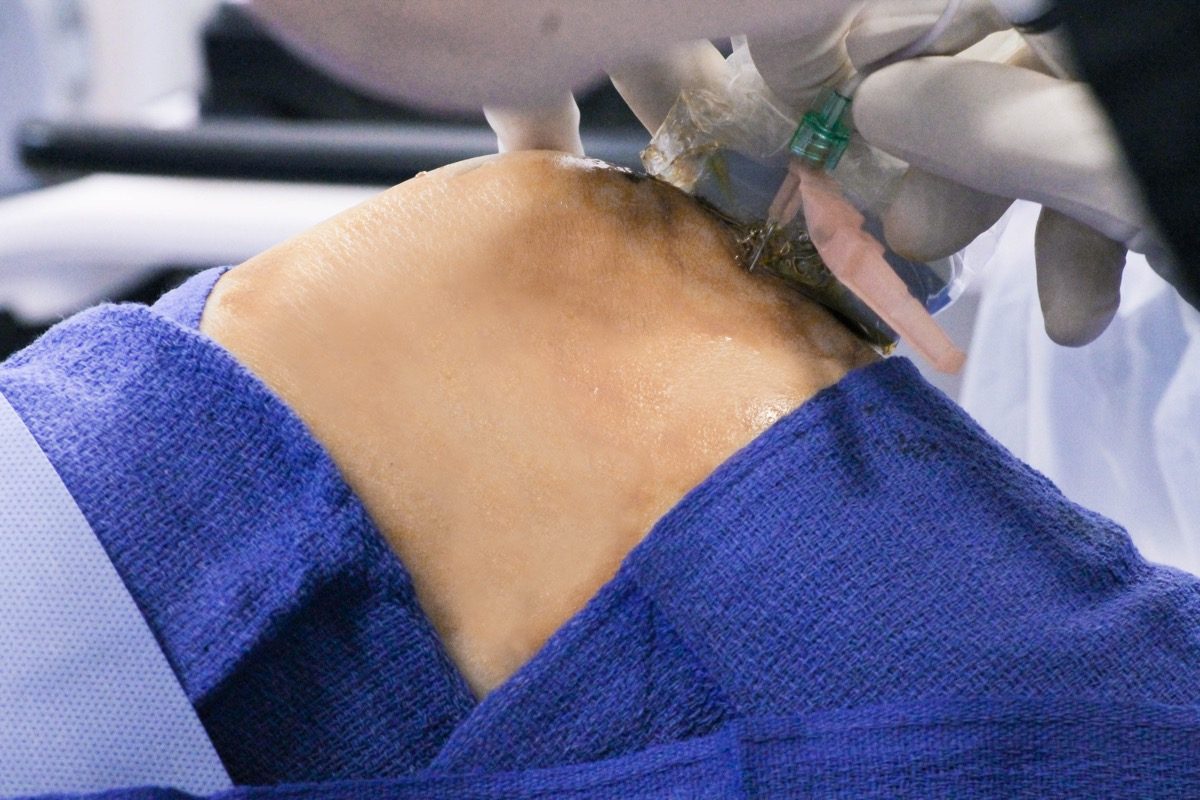
Many causes of knee pain can improve without surgery through targeted exercise, activity changes and suitable pain relief. Selected patients may also benefit from injections or genicular nerve procedures. The aim is better walking, sleep and daily function; these treatments do not all repair joint damage. A locked knee, major injury or persistent severe disability may need an orthopaedic opinion alongside pain management.
On this page
Recheck the Diagnosis Before Escalating Treatment
A painful knee is not always painful for the reason written on the scan. The joint, surrounding tendons, hip or lower back may contribute. Review what was tried, for how long, and whether it improved walking, sleep or other daily activities.
Start with the knee pain treatment guide for the assessment pathway. If there is an injury, a locked knee or acute swelling, these need attention before elective pain procedures.
A Treatment Plan Is More Than a List of Procedures
Non-surgical care includes treatments with different jobs. Exercise builds movement capacity. Activity changes make current demands manageable. Medicines and selected procedures may reduce symptoms enough to help you participate. A brace or walking aid may address support or loading. Choosing several options makes sense only when each has a clear purpose.
Start with the problem you want to solve. If a knee cannot straighten after a twist, identifying a mechanical obstruction matters more than selecting a stronger pain treatment. If arthritis pain has gradually shortened walking distance, a combined rehabilitation and symptom-management plan may be appropriate. The label “non-surgical” does not make every intervention interchangeable.
Ask for a sequence with review points: what to begin, what to measure and what finding would change direction. This avoids moving from one treatment to another simply because it is available, without knowing whether the previous step was useful.
What Does an Adequate Rehabilitation Trial Look Like?
A meaningful trial is a programme matched to the diagnosis and adjusted to your starting ability. It should include clear exercises, a realistic schedule and guidance on progression. A handout that provokes pain and is abandoned after a few attempts is not the same as a supported programme whose load has been reviewed.
Explain what you have already tried: the movements, frequency, supervision, flare response and how long you could continue. If the programme was interrupted by work, cost, illness or pain, say so. Those barriers may be solvable and are different from a programme completed consistently without benefit.
Choose a functional measure, such as rising from a chair or walking a familiar route, and review it at an agreed interval. An unchanged X-ray does not mean rehabilitation failed if daily function improves. Increasing swelling, loss of movement or instability, however, should prompt reassessment rather than simply more exercise.
Weight Management, Walking Aids and Everyday Load
For someone with knee osteoarthritis who is overweight, supported weight management can be one part of treatment. It should be discussed respectfully and alongside pain relief and exercise, not used as a reason to withhold assessment. Body weight is not the only contributor to a painful knee.
Everyday load also includes repeated stairs, prolonged standing, carrying items and abrupt changes in activity. Temporarily dividing tasks, using a handrail or alternating standing and sitting may make the day more manageable. A physiotherapist can advise whether a walking aid is useful and demonstrate suitable height and technique.
These adaptations should serve a longer-term functional goal. For example, breaking a long walk into shorter sessions can preserve activity while tolerance improves. The intention is not to make your world progressively smaller, but to find a repeatable starting point and build from it.
What Should Non-Surgical Care Include?
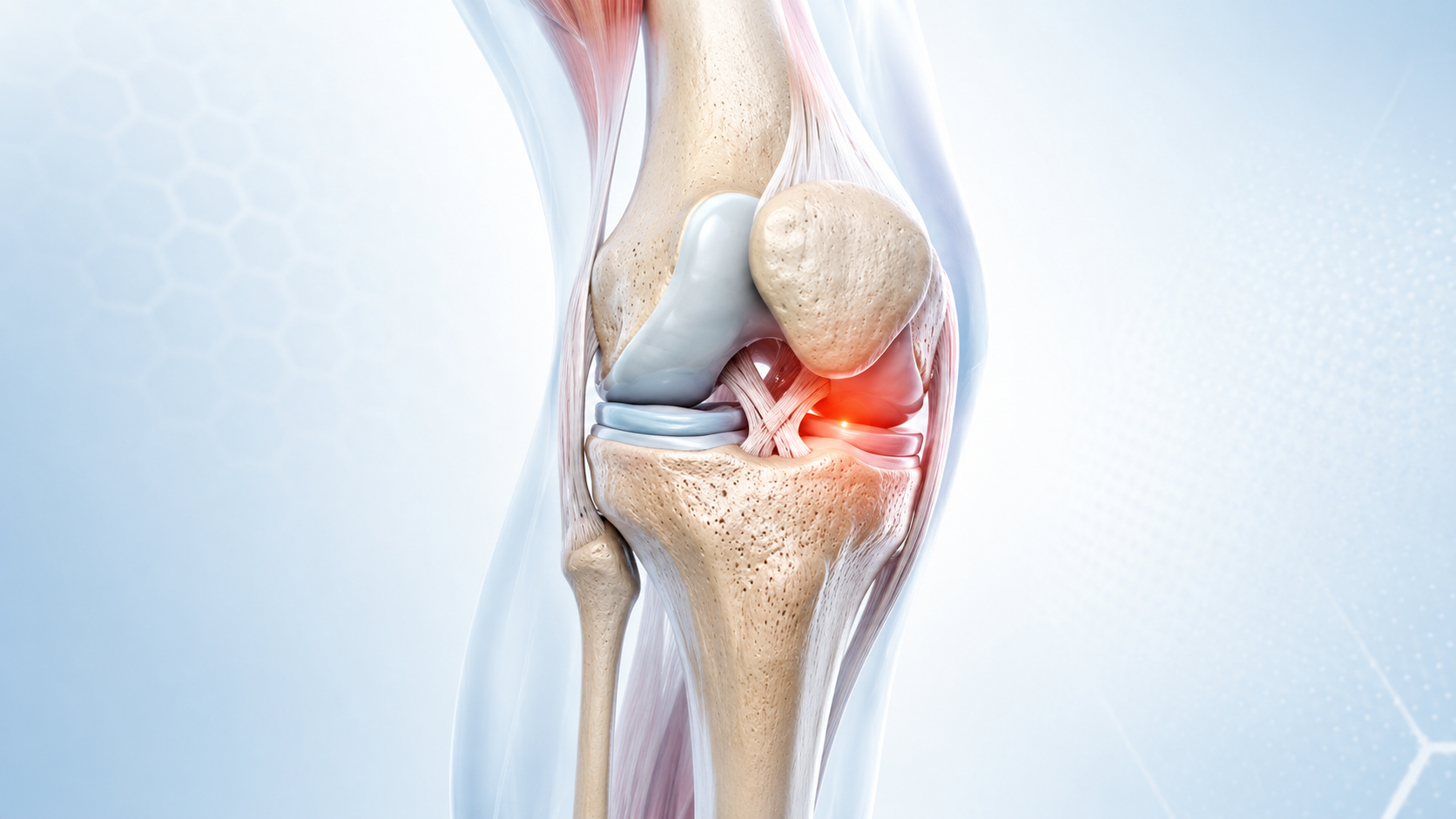
A plan usually considers appropriate movement, strength, activity pacing and medicines where suitable. Our exercise guide explains how to adjust activity rather than repeatedly provoking a flare.
When weight management is relevant, practical support can be part of care. It should not become a reason to dismiss pain or withhold assessment. Walking aids and selected supports may also help daily function.
If medication is ineffective or causes side effects, review the medicine options and limitations with your clinician rather than simply increasing the dose.
When Might a Joint Injection Help?
An injection may be considered for a defined problem after discussing expected benefit and risks. It is not appropriate for every painful knee, and the presence of arthritis on an X-ray is not enough by itself to choose a product.
Use our steroid, hyaluronic acid and PRP comparison to prepare questions. These treatments have different evidence and should not be presented as equivalent ways to rebuild a joint.
What Is a Genicular Nerve Block?
Selected sensory nerves carry pain signals from the knee. A genicular nerve block places local anaesthetic near these nerves. Temporary improvement can contribute to the assessment for a nerve-focused procedure.
A helpful response does not prove that arthritis has disappeared or guarantee success from ablation. The result is interpreted alongside diagnosis, function and other clinical findings.
What Can Radiofrequency Ablation Achieve?
For selected persistent osteoarthritic pain, knee joint cooled RFA uses controlled radiofrequency energy to reduce signalling from targeted nerves.
Its goal is pain relief and improved function. It cannot restore missing cartilage, correct a major deformity or repair a ligament. Benefit and duration vary, and symptoms can return.
Discuss procedure-related pain, bleeding, infection, sensory changes and the possibility of limited benefit. Ask how response will be measured and what the next step would be if relief is insufficient.
What If the X-ray Says Grade 3 or Grade 4 Arthritis?
The X-ray grade describes structural changes; it does not by itself decide when to operate. Pain, mobility, deformity, medical fitness, previous care and personal priorities all matter.
Some people choose non-surgical symptom management while preparing for surgery or because surgery is unsuitable. Others benefit from replacement assessment. Avoiding surgery is not automatically a better outcome than receiving appropriate surgery.
When Should You Consider a Surgical Opinion?
Consider an orthopaedic opinion when pain and loss of function remain substantial despite suitable non-surgical care, or when an injury or structural problem needs surgical assessment. You do not need to try every available injection before discussing replacement.
Pain after a previous knee replacement needs assessment for causes such as infection or implant-related problems before considering a pain procedure. A new or changing symptom should not simply be treated as the old arthritis returning.
What Does a Diagnostic Genicular Nerve Block Tell You?
A block places local anaesthetic near selected sensory nerves around the knee. If the clinician uses it to assess suitability for radiofrequency treatment, you may be asked to record pain during agreed safe activities while the anaesthetic is active. Follow the specific instructions rather than using the temporary relief to test strenuous movements.
A useful diary records the baseline task, the change in pain or function and when the effect wore off. A block is not a scan of the joint and does not prove that cartilage, ligaments or a meniscus are normal. Its role is to provide information about a possible pain-treatment target.
The response is interpreted with the diagnosis and examination. Temporary improvement does not guarantee the same result from a later procedure, and a poor response should prompt discussion about the plan rather than pressure to proceed regardless.
What Are the Limits and Risks of Radiofrequency Treatment?
NICE’s guidance on radiofrequency denervation for osteoarthritic knee pain supports its use with standard clinical governance, consent and audit arrangements. This is guidance for an appropriately selected procedure, not evidence that it is suitable for every painful knee.
Radiofrequency treatment aims to reduce pain signalling from selected nerves. It does not realign a deformed joint, restore lost cartilage or remove a displaced fragment. Benefit and duration vary, and pain can return. The clinician should discuss the chance of inadequate relief and procedure-specific risks, including discomfort, altered sensation, bleeding, infection or injury to nearby structures.
Ask what the procedure is expected to let you do more comfortably and what rehabilitation follows. If pain improves while instability or mechanical restriction persists, those problems still need attention. A lower pain score does not automatically make every activity safe.
When Does Continuing Conservative Care Become Unhelpful Delay?
NICE advises considering joint-replacement referral when osteoarthritis symptoms substantially affect quality of life and appropriate non-surgical management is ineffective or unsuitable. The decision is clinical; an X-ray grade alone does not describe your sleep, walking or ability to care for yourself.
You do not need to buy every injection or try every advertised procedure before seeking an orthopaedic opinion. A consultation can clarify the structural problem, likely surgical benefit and risks even while non-surgical treatment continues. Asking about surgery does not commit you to having it.
If you prefer to postpone an operation or your health makes surgery more complex, discuss realistic symptom-management goals and a reassessment plan. Avoid treating “no surgery” as a success metric if you remain increasingly disabled. The useful outcome is a plan that fits both your health and your daily life.
A Review Framework When Nothing Seems to Help
First, check the diagnosis: are symptoms still consistent with the original assessment, or is there new swelling, nerve-related pain or loss of movement? Second, check what was actually delivered: was rehabilitation adapted, was medication suitable, and was the procedure aimed at the suspected source? Third, compare function before and after treatment.
Bring a short treatment timeline rather than only a stack of reports. Include what helped, for how long, what caused side effects and why any programme stopped. This can prevent repeating an ineffective intervention and make a second opinion more useful.
Finally, ask for one agreed next step and a review point. That may be changing the rehabilitation plan, investigating a new feature, discussing a targeted procedure or obtaining a surgical opinion. A clear decision is more useful than being told to keep trying the same combination indefinitely.
Questions to Ask Before Choosing the Next Step
A good decision compares realistic outcomes, including the option of continuing an adapted rehabilitation plan. Write down what you most want to regain and agree on a follow-up point.
- What diagnosis is this treatment targeting?
- How much functional improvement is realistic for me?
- What are the risks and alternatives?
- What is included in the cost and follow-up?
- Would delaying a surgical opinion have a downside?
Getting the Right Assessment
A knee pain specialist in NCR can help review persistent symptoms and discuss whether a pain procedure fits the diagnosis.
For an individual assessment, explore knee pain treatment in Gurgaon at Jain Pain Clinic. Dr Ashu Kumar Jain focuses on pain medicine; treatment choices depend on the diagnosis and your goals.
Related reading: knee supports the complete knee pain treatment guide
Resources
- Osteoarthritis: diagnosis and managementNICE
- Understanding osteoarthritisAmerican College of Rheumatology
- Radiofrequency denervation for osteoarthritic knee painNICE
Frequently asked questions
Can knee pain improve without surgery?
Yes, depending on the cause. Rehabilitation, suitable medicines and selected procedures may help, but significant injury or persistent disability can require a surgical opinion.
Does RFA reverse knee arthritis?
No. It targets pain signalling from selected nerves and does not rebuild cartilage or correct joint deformity.
Does grade 4 arthritis always mean immediate replacement?
Not automatically. Symptoms, function, health, structural problems and goals guide the discussion. Non-surgical care may help symptoms but should not delay appropriate surgical assessment.
Must I try all injections before knee replacement?
No. A surgical opinion can be appropriate when suitable non-surgical treatment has not helped enough. Trying every marketed treatment is not a requirement.
Can non-surgical treatment rebuild knee cartilage?
Exercise, ordinary pain medicines and nerve procedures should not be described as cartilage-regrowth treatments. They may improve pain and function. Claims of regeneration from an injection require separate evidence and should not be inferred from symptom improvement.
How do I know whether physiotherapy has failed?
Review the diagnosis, exercises actually completed, progression, barriers and functional response with your clinician. A painful or impractical programme may need adjustment. Persistent disability despite an appropriate trial can justify discussing other treatment or a surgical opinion.
Can I seek a surgical opinion while seeing a pain specialist?
Yes. The opinions can be complementary. A surgeon evaluates structural and operative options, while pain medicine may help with symptom management and selected procedures. The plan should reflect your diagnosis, health and goals.