
 Dr Ashu Kumar Jain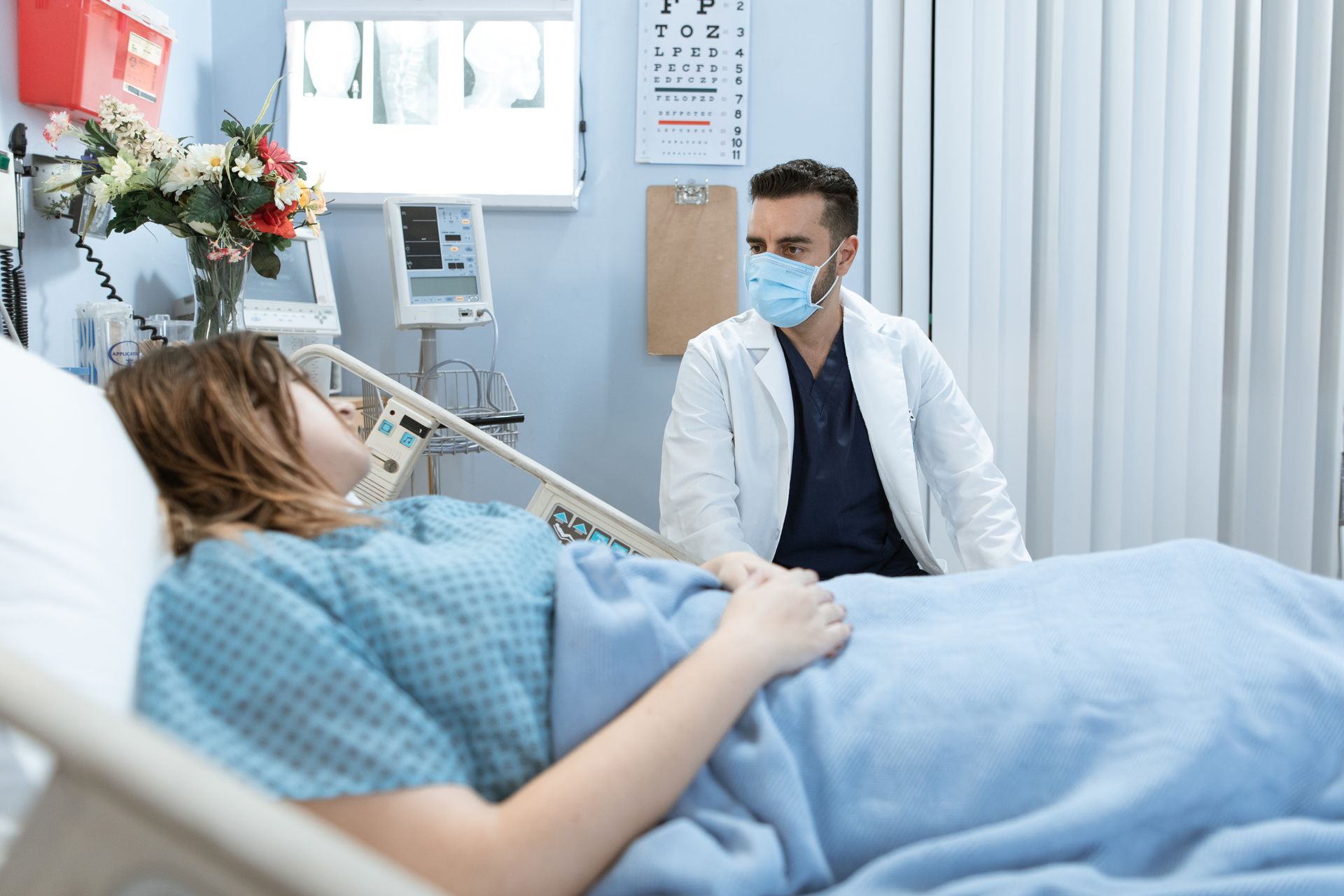
Many patients continue to feel pain around a surgical scar even after the wound has completely healed. At Jain Pain Clinic, this type of post-surgical pain is evaluated only after the treating surgeon has confirmed that there is no infection, wound breakdown, hernia, poor healing, or other surgical issue. Once surgical causes are ruled out, persistent burning, pulling, stabbing, itching, or electric scar pain may need a pain medicine approach.
Why Can a Healed Scar Still Hurt?
Healing does not end the day the stitches are removed or the skin closes. Under the surface, nerves, fascia, muscles, and deeper tissues continue to remodel for months.
During surgery, tiny skin nerves and deeper nerve branches can be stretched, cut, trapped, or irritated. Scar tissue can also become tight and pull on surrounding tissues during movement.
This is why a scar may look healed but still feel painful, sensitive, or uncomfortable.
Normal Healing Pain vs Chronic Scar Pain
Some pain, tightness, itching, and tenderness are expected in the early weeks after surgery. This usually improves gradually as swelling reduces and tissues settle.
Scar pain becomes concerning when it persists for months, worsens instead of improving, causes burning or electric sensations, becomes very sensitive to touch, or limits movement and daily activity.
Pain that continues after the expected healing period should not be dismissed as weakness or imagination. It may be a sign of nerve irritation, scar adhesions, or a neuroma.
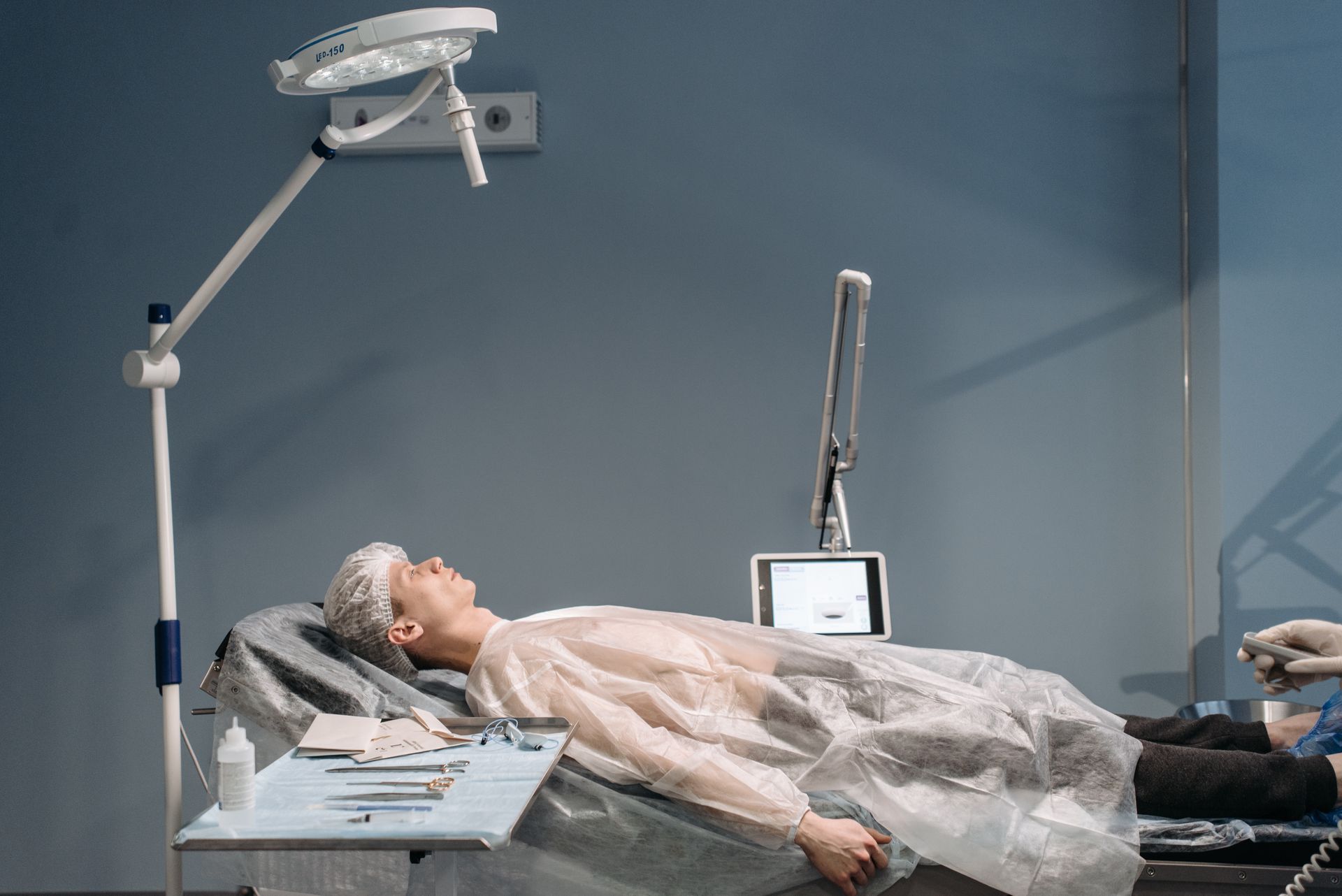
Symptoms of Painful Scar Tissue
Scar pain can feel very different from ordinary wound pain. Some patients describe it as skin sensitivity, while others describe deep pulling or nerve-type pain.
The pain may be triggered by clothing, touch, stretching, walking, bending, pressure, weather changes, or certain body positions.
A scar that is painful only when pressed may have a different cause from a scar that burns continuously or sends electric shocks.
- Burning or stinging pain around the scar
- Electric shock-like pain
- Sharp stabbing pain on touching the scar
- Pulling or tightness during movement
- Itching that feels deep or painful
- Numbness around the scar with painful sensitivity at the edges
- Pain from clothes, bedsheets, or light touch
Nerve Pain After Surgery
Nerve irritation is one of the most important causes of persistent scar pain. Small nerves in the skin may become oversensitive after surgery. Sometimes a nerve ending forms a painful swelling called a neuroma.
Nerve pain usually feels burning, shooting, tingling, electric, or unusually sensitive to touch. The pain may spread beyond the visible scar line.
This type of pain often does not respond well to ordinary painkillers because the problem is not simply inflammation. It needs proper nerve pain assessment.
"A healed scar can still hurt if the nerve underneath it has not settled. The skin may be closed, but the pain pathway may still be active."
Scar Tightness and Adhesions
Scar tissue can sometimes stick to deeper layers such as fascia, muscle, or tendon. These are called adhesions.
Adhesions may cause pulling pain when the patient bends, stretches, twists, walks, lifts the arm, or uses the operated area.
This kind of pain is often more mechanical. It may improve with guided physiotherapy, scar mobilisation, stretching, and treatment of trigger points around the scar.
When to Return to the Surgeon First
Not every painful scar is a pain clinic problem. Some symptoms may suggest infection, wound breakdown, hernia, poor healing, or another surgical complication.
If scar pain is associated with fever, increasing redness, swelling, pus, foul smell, wound opening, sudden severe pain, or a new lump near the scar, the first step is review by the treating surgeon or surgical team.
Jain Pain Clinic does not treat surgical infection or active wound problems. We treat post-surgical pain when complete healing has taken place, the surgeon has ruled out surgical complications, and the patient still has persistent pain.
- Redness spreading around the scar
- Pus, discharge, or foul smell
- Fever or feeling unwell
- Wound opening or bleeding
- New swelling or lump near the scar
- Sudden severe pain after previous improvement
- Skin becoming hot, dark, or increasingly tender
How a Pain Specialist Evaluates Scar Pain
At Jain Pain Clinic, evaluation begins after surgical clearance. This means the wound has healed completely and the treating surgeon has confirmed that there is no infection, wound breakdown, hernia, poor healing, or other surgical issue requiring surgical treatment.
Once that is clear, the pain story becomes important. When did the pain start? Is it burning, pulling, stabbing, numb, itchy, or electric? Does it worsen with touch, movement, clothing, pressure, or posture?
The healed scar area is examined for tenderness, tightness, hypersensitivity, numbness, trigger points, and signs of neuroma or nerve entrapment. The aim is to identify whether the remaining pain is coming from scar tissue, a trapped nerve, a neuroma, deeper muscle and fascia, or a mixed pain generator.
Treatment Options for Painful Scars
Treatment starts only after the surgical wound has fully healed and active surgical problems have been ruled out. This distinction matters because infection, wound opening, and surgical complications need surgical care first, not pain procedures.
Once the scar is healed, treatment depends on the pain generator. Mild scar sensitivity may improve with desensitisation, silicone gel or sheets, moisturising, scar massage, and guided physiotherapy.
If the pain is nerve-type, medicines that calm nerve signals may be considered. These may include pregabalin, gabapentin, duloxetine, or tricyclic medicines such as amitriptyline or nortriptyline, depending on the patient's condition.
For selected patients, targeted procedures may help. These can include local scar injections, trigger point injections, peripheral nerve blocks, neuroma-focused treatment, radiofrequency procedures, or other interventional pain options.
- Confirm complete wound healing and surgical clearance first
- Make sure infection, wound problems, hernia, or surgical complications have been ruled out by the surgeon
- Identify whether the pain is scar tightness, nerve pain, neuroma, or mixed pain
- Use scar desensitisation, silicone therapy, and physiotherapy when appropriate
- Consider neuropathic medicines for burning, electric, or touch-sensitive pain
- Use targeted injections or nerve blocks when pain remains localized and persistent
Pain After Common Surgeries
Scar pain can happen after many types of surgery, including abdominal surgery, C-section, hernia repair, breast surgery, chest surgery, spine surgery, joint surgery, and limb surgery.
The pain pattern may differ depending on the operated area. For example, hernia surgery may cause groin nerve pain, C-section scars may cause lower abdominal pulling or burning, and chest surgery scars may cause rib or intercostal nerve pain.
A focused pain assessment helps separate scar pain from deeper organ, joint, spine, or nerve-related pain.
When Should You See a Specialist?
You should first return to your surgeon if the scar is not fully healed, if there is redness, swelling, discharge, fever, wound opening, a new lump, or any concern about infection or surgical complication.
Once the surgeon confirms that healing is complete and there is no active surgical issue, you should see a pain specialist if scar pain still affects sleep, restricts movement, prevents clothing contact, or feels burning, electric, stabbing, pulling, or unusually sensitive.
At Jain Pain Clinic in Gurugram, Dr Ashu Kumar Jain evaluates persistent post-surgical scar pain after surgical causes have been ruled out. The focus is to find the pain generator and choose treatment beyond routine painkillers when needed.
The Takeaway
Jain Pain Clinic treats persistent post-surgical scar pain after complete healing and after the surgeon has ruled out infection, wound problems, hernia, or other surgical issues.
A healed scar can still hurt because of nerve irritation, scar tightness, adhesions, neuroma, or hypersensitivity.
With the right diagnosis, scar pain can often be treated using a combination of scar care, physiotherapy, nerve pain medicines, and targeted pain procedures.