
 Dr Ashu Kumar Jain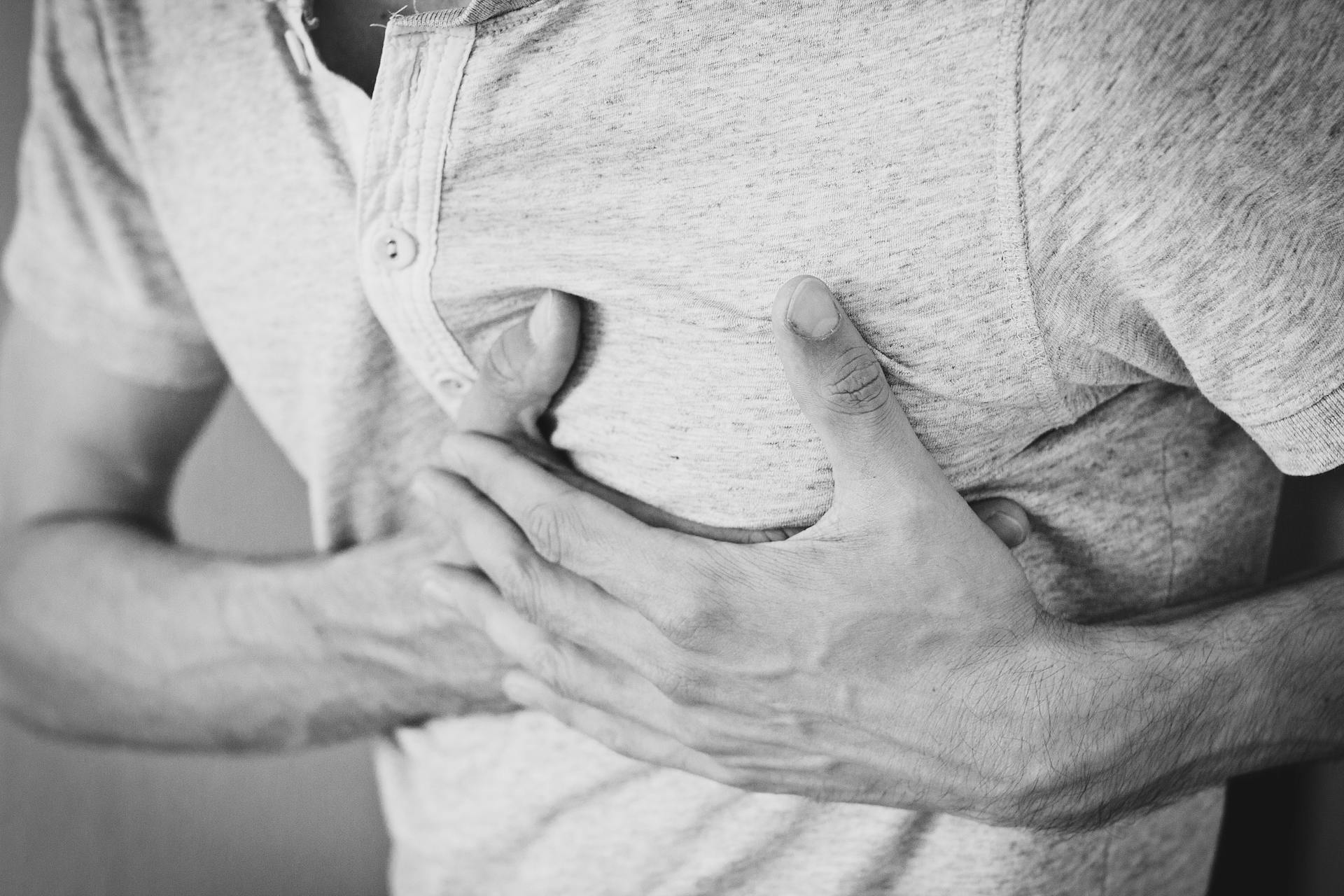
Chest pain is frightening, and it should be taken seriously. The first priority is always to rule out heart and lung emergencies. But once serious causes are excluded, many patients are told their heart is fine and still left wondering why the chest keeps hurting. In many cases, the answer lies in the chest wall: the ribs, cartilage, muscles, nerves, and joints that move every time you breathe.
First: When Chest Pain Needs Emergency Care
New, severe, unexplained, or pressure-like chest pain should be treated as urgent until a doctor confirms otherwise. Do not assume it is muscular pain at home.
Seek emergency care if chest pain is associated with breathlessness, sweating, nausea, fainting, pain spreading to the arm, jaw, back, or shoulder, sudden weakness, fast heartbeat, or a feeling of heavy pressure on the chest.
This is especially important if you have diabetes, high blood pressure, smoking history, high cholesterol, known heart disease, or a family history of heart disease.
What Is Chest Wall Pain?
Chest wall pain means the pain is coming from structures that form or support the chest, rather than from the heart itself. These structures include the ribs, breastbone, cartilage, muscles between the ribs, intercostal nerves, and joints of the upper back.
Because these structures sit close to the heart and lungs, the pain can feel alarming. It may be sharp, aching, burning, or stabbing. It may worsen with movement, deep breathing, coughing, sneezing, or pressing on a specific tender spot.
The key point is that chest wall pain is a diagnosis made after proper evaluation, not a label to apply casually to any chest pain.

Costochondritis: A Common Chest Wall Cause
Costochondritis is inflammation or irritation of the cartilage where the ribs attach to the breastbone. It is one of the most common non-cardiac causes of chest pain.
The pain is often felt in the front of the chest, commonly near the breastbone. It may be sharp or aching and may worsen when taking a deep breath, coughing, lifting, twisting, or pressing on the painful area.
Because it can mimic heart pain, many patients first visit an emergency department or cardiologist. That is appropriate. Once serious causes are ruled out, treatment can focus on the chest wall.
Rib Strain and Muscle Pain
The chest wall moves constantly with breathing. The muscles between the ribs and around the upper back can become strained from coughing, heavy lifting, sudden twisting, exercise, poor posture, or injury.
Muscle-related chest wall pain often has a mechanical pattern. It may worsen with certain movements and improve with rest, heat, posture correction, or gentle stretching.
Patients may notice that the pain is easier to locate with one finger, unlike deeper pressure-like pain that feels more widespread.
Intercostal Neuralgia: Nerve Pain Around the Ribs
Intercostal nerves run between the ribs. When these nerves are irritated, compressed, inflamed, or injured, they can cause intercostal neuralgia.
This pain may feel burning, shooting, electric, or band-like. It can wrap from the back toward the front of the chest or upper abdomen. It may worsen with deep breathing, coughing, stretching, or even light touch over the skin.
Common triggers include rib injury, spine-related nerve irritation, previous chest surgery, shingles, or scar-related nerve irritation.
- Sharp or burning pain along one rib line
- Pain wrapping from the back to the front of the chest
- Tenderness or sensitivity over the skin
- Pain worsened by coughing, deep breathing, or twisting
- History of shingles, rib injury, or chest surgery
Why Chest Wall Pain Can Feel Like Heart Pain
The chest has overlapping pain pathways. Pain from the ribs, spine, muscles, nerves, lungs, stomach, and heart can sometimes be felt in similar areas.
This is why symptoms alone are not always enough to separate cardiac from non-cardiac pain. A careful medical evaluation may include history, examination, ECG, blood tests, chest imaging, or referral depending on the situation.
Once dangerous causes are excluded, the examination can focus more closely on tenderness, movement patterns, rib mechanics, nerve sensitivity, and thoracic spine involvement.
"Chest wall pain should be considered only after serious causes are ruled out. But once they are ruled out, the chest wall deserves a careful pain-focused evaluation."
How Is Chest Wall Pain Diagnosed?
Diagnosis begins with the pain story. When did it start? Is it linked to injury, coughing, exercise, surgery, shingles, posture, or stress? Does pressing on the area reproduce the familiar pain?
The doctor may examine the ribs, breastbone, upper back, shoulder movement, breathing pattern, and nerve sensitivity. If needed, tests are used to rule out heart, lung, fracture, infection, or other conditions.
For persistent rib or nerve-related pain, diagnostic injections may sometimes help identify the exact pain generator.
What Treatments Can Help?
Treatment depends on the cause. Mild chest wall pain may improve with rest, activity modification, heat or ice, posture correction, and short-term anti-inflammatory medicines when safe for the patient.
Physiotherapy can help when rib mobility, thoracic spine stiffness, muscle tightness, or posture is contributing to pain. Breathing exercises may also help some patients because guarding the chest wall can make stiffness worse.
If pain is persistent, severe, or nerve-related, targeted pain procedures may be considered. These may include trigger point injections, intercostal nerve blocks, costochondral injections, or radiofrequency-based procedures in carefully selected chronic cases.
- Rule out heart and lung emergencies first
- Identify whether the pain is cartilage, muscle, rib, nerve, or spine-related
- Use medicines safely and for the right duration
- Add physiotherapy when movement and posture are contributing
- Consider targeted injections when pain remains localized and persistent
When Should You See a Pain Specialist?
You should consider a pain specialist if chest pain has been evaluated and serious causes have been ruled out, but pain continues to affect breathing, sleep, movement, work, or daily life.
This is especially relevant when pain is localized to a tender rib area, wraps around the chest like a band, burns or shoots, follows shingles, or continues after chest surgery or injury.
At Jain Pain Clinic in Gurugram, Dr Ashu Kumar Jain evaluates persistent chest wall pain by identifying whether the pain is coming from cartilage, rib joints, muscles, intercostal nerves, or referred pain from the thoracic spine. The goal is to treat the true pain source with the least invasive option that makes sense.
The Takeaway
Chest pain should always be taken seriously, and urgent causes must be ruled out first.
But not all chest pain comes from the heart. Once serious conditions are excluded, the ribs, cartilage, muscles, nerves, and upper back can all be responsible for persistent pain.
If chest wall pain keeps returning or limits normal life, a focused pain evaluation can help identify the source and guide treatment beyond repeated reassurance or painkillers.