
 Dr Ashu Kumar Jain
Neck pain and headache often travel together. Many people treat it like a normal headache for months. They take painkillers, reduce screen time, or change pillows. Sometimes that helps. But sometimes the headache keeps returning because the real source is in the neck.
Can Neck Pain Really Cause Headache?
Yes. A headache can come from a problem in the cervical spine, which is the neck part of the spine. This is called a cervicogenic headache. The pain is felt in the head, but the source is usually a joint, muscle, disc, or nerve in the neck.
This happens because the upper neck and parts of the head share nerve pathways. When the neck is irritated, the brain may feel that pain as a headache.
What Does a Neck-Related Headache Feel Like?
Patients often describe it as pain that starts near the base of the skull and moves upward. It may affect one side more than the other. It may feel dull, heavy, tight, or pressing.
The headache may get worse after long sitting, laptop work, driving, looking down at a phone, or sleeping in an awkward position.
- Pain starts in the neck or back of the head
- Neck movement makes the headache worse
- The neck feels stiff or restricted
- Pain may spread to the temple, forehead, or behind the eye
- There may be shoulder blade pain or upper back tightness
Is It Migraine or Is It Coming From the Neck?
This is one of the most common questions patients ask. Migraine usually has features like throbbing pain, nausea, light sensitivity, sound sensitivity, or visual symptoms. A neck-related headache usually has a clearer link with neck posture, stiffness, or movement.
But the two can overlap. Some migraine patients also have neck pain. Some neck-related headaches can feel similar to migraine. That is why a careful examination matters.
"The question is not only where the pain is felt. The more useful question is where the pain is starting from."
Why Does It Keep Coming Back?
A recurring neck headache usually means the trigger has not been fully addressed. It may be related to poor posture, weak neck and shoulder muscles, cervical facet joint irritation, disc-related nerve irritation, or long-term muscle guarding.
Painkillers may reduce the pain for a few hours. They do not always solve the reason the neck keeps sending pain signals.
When Should You Worry?
Most neck pain with headache is not dangerous. Still, some symptoms need urgent medical attention. Do not ignore a sudden severe headache, fever with neck stiffness, weakness, numbness, loss of balance, confusion, recent injury, or a new headache after age 50.
You should also see a specialist if your headache keeps returning, spreads from the neck to the head, affects work or sleep, or does not improve with basic treatment.
How Is a Neck-Related Headache Diagnosed?
Diagnosis starts with listening to the pattern. Where does the pain begin? What makes it worse? Does neck movement trigger it? Is there arm pain, tingling, or weakness?
A physical examination checks neck movement, tender points, nerve function, and pain triggers. Imaging such as X-ray or MRI may help in selected cases, but scans alone do not always explain pain. Many people have age-related changes on MRI without symptoms.
What Treatments Can Help?
Treatment depends on the source. Simple cases may improve with posture correction, guided physiotherapy, strengthening, heat, short-term medicines, and better work habits.
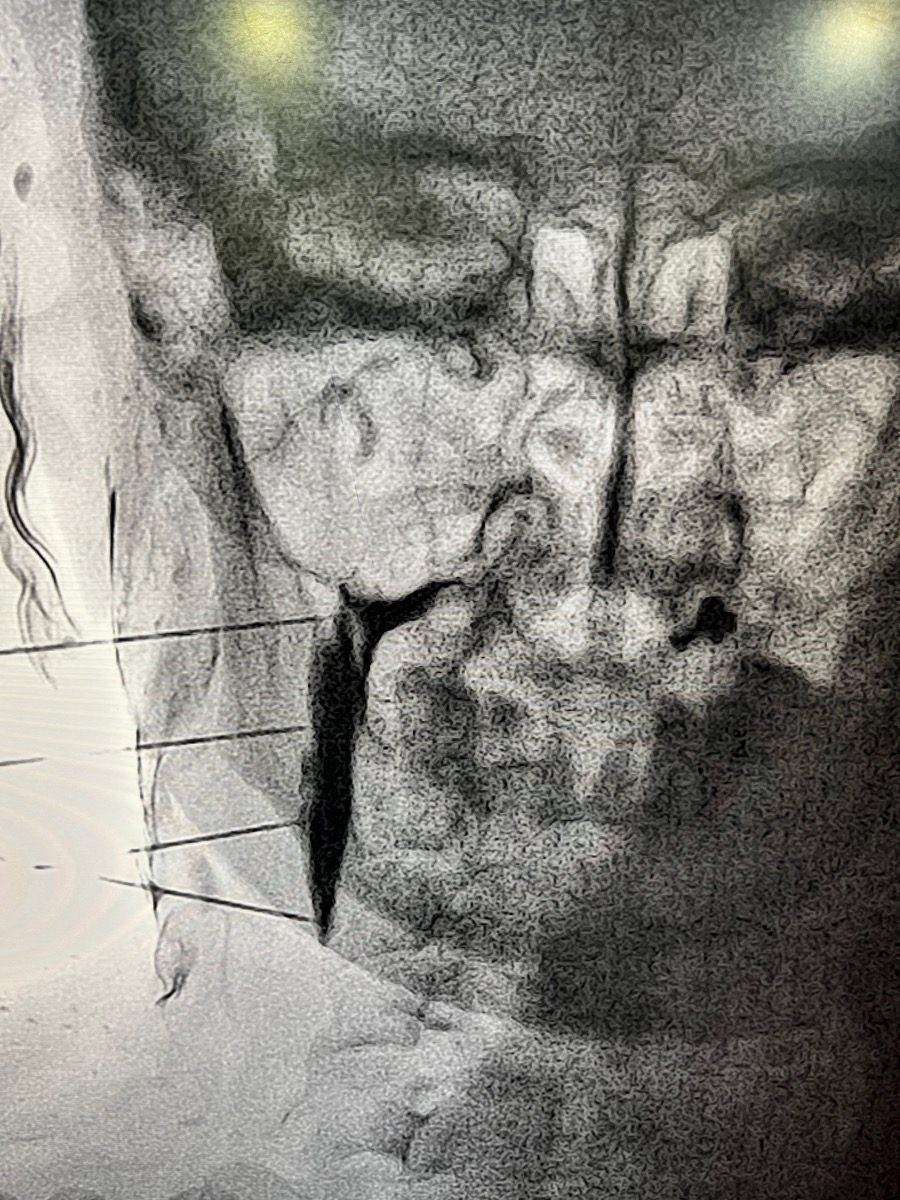
If the pain is coming from cervical facet joints, inflamed nerves, or a specific pain generator, targeted procedures may help. These may include cervical facet blocks, trigger point injections, occipital nerve blocks, or radiofrequency ablation in carefully selected patients.
- Start by identifying the pain pattern
- Check whether neck movement triggers the headache
- Look for nerve symptoms like arm pain or tingling
- Use imaging only when it adds useful information
- Choose treatment based on the pain source, not only the scan report
What Is the Practical Next Step?
If your headache keeps returning with neck stiffness, do not keep treating it as a random headache. Notice the pattern. Track when it starts, what posture triggers it, and whether neck movement changes it.
At Jain Pain Clinic in Gurugram, Dr. Ashu Kumar Jain evaluates neck pain and headache together. The goal is simple: find the real source of pain and treat it with the least invasive option that makes sense.