
 Dr Ashu Kumar Jain
Pain in bedridden patients is common, but it is not something families should accept as unavoidable. When a patient stays in bed for long periods, pressure builds over bony areas, joints become stiff, muscles shorten, and skin can begin to break down. Prevention is easier than treating advanced pressure sores, severe stiffness, or contractures later.
Why Bedridden Patients Develop Pain
The human body is designed to move. Even small movements shift pressure, improve circulation, lubricate joints, and keep muscles flexible. When a patient cannot move independently, the same areas remain under pressure for long periods.
Pain may come from the tailbone, hips, heels, shoulders, elbows, knees, back, or neck. Sometimes the pain is from skin pressure. Sometimes it is from stiff joints, muscle spasm, nerve sensitivity, or poor positioning.
This is why bedridden care should focus not only on medicines, but also on positioning, skin care, gentle movement, and early recognition of pain.
Pressure Pain: The First Warning Sign
Pressure pain usually starts over bony areas where the body touches the bed. Common sites include the tailbone, heels, hips, shoulder blades, elbows, and back of the head.
At first, the skin may look normal but the patient complains of soreness or burning. Later, the skin may become red, darker, warmer, tender, or firm. If pressure continues, a pressure sore or bedsore can develop.
Pain is often the earliest warning. If a patient repeatedly complains that one area hurts while lying down, that area should be checked and pressure should be relieved.
- Tailbone or lower back pain from lying flat
- Heel pain from constant pressure on the mattress
- Hip pain when lying on one side for too long
- Shoulder or elbow pain from poor arm position
- Burning or soreness over skin that looks red or dark
Repositioning Is the Most Important Step
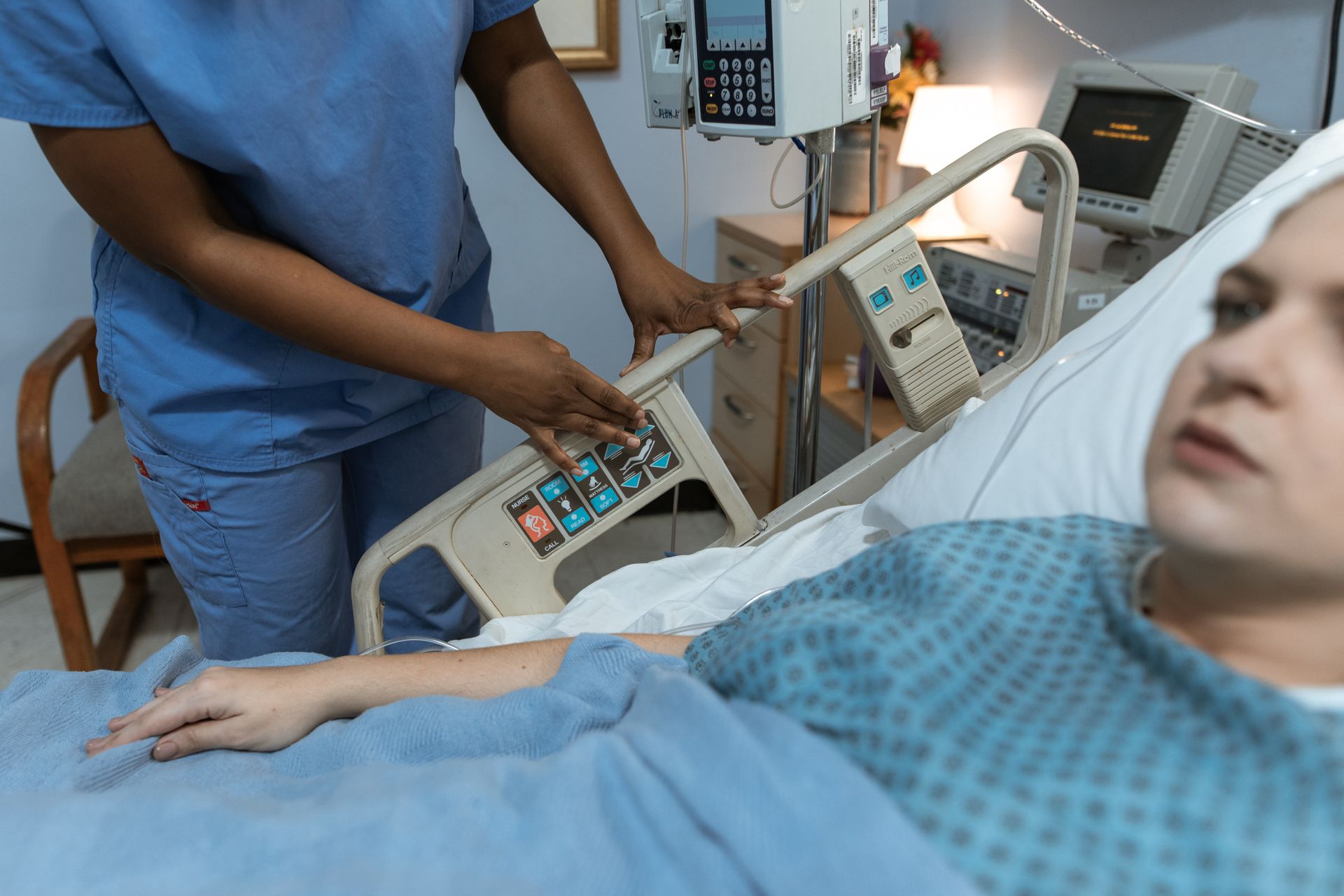
Changing position regularly reduces pressure and improves blood flow to the skin and muscles. For many bedridden patients, repositioning every few hours is one of the simplest and most effective ways to prevent pain.
The exact schedule depends on the patient's condition, skin risk, body weight, mattress type, and ability to move. Some patients need more frequent changes, especially if they already have redness, wounds, poor nutrition, diabetes, or reduced sensation.
Repositioning should be gentle. Pulling the patient across the bed can injure fragile skin. It is better to lift and support the body using proper technique, sheets, pillows, or caregiver assistance.
Use Pillows to Reduce Pressure
Pillows can help maintain a comfortable position and reduce pressure between body parts. A pillow under the calves can float the heels slightly off the bed. A pillow between the knees can reduce hip and knee pressure in side-lying.
The aim is to support the body without forcing joints into awkward positions. The neck should not be bent too far forward, the shoulders should not be pulled, and the ankles should not remain pointed downward for long periods.
In high-risk patients, a pressure-relieving mattress or air mattress may be needed. These do not replace repositioning, but they can reduce pressure load.
Stiffness and Contractures Can Develop Quietly
When joints do not move for days or weeks, they become stiff. Muscles and tendons can shorten. Over time, the joint may become fixed in a bent or awkward position. This is called a contracture.
Contractures can make nursing care, sitting, dressing, cleaning, and transfers very painful. Once severe, they are difficult to reverse.
Gentle range-of-motion exercises can help. These should be done carefully and within comfort limits, ideally guided by a physiotherapist or trained caregiver.
"In bedridden patients, pain prevention is not one big treatment. It is many small movements, position changes, and checks done consistently."
Gentle Movement Helps More Than Complete Rest
Families often avoid moving a bedridden patient because they fear causing pain. That concern is understandable, but complete rest can worsen stiffness, weakness, pressure pain, and circulation problems.
Even small movements can help: bending and straightening the knees, moving the ankles, opening and closing the hands, changing arm position, turning to the side, or sitting supported for short periods if allowed.
Movement should never be forced. If pain is severe during turning or exercise, the pain needs assessment and better control.
Skin Checks Should Be Daily
Skin inspection is essential, especially over pressure points. Caregivers should look for redness, dark patches, swelling, blisters, cracks, open wounds, heat, tenderness, or discharge.
Patients with diabetes, nerve damage, old age, poor nutrition, stroke, spinal cord injury, cancer, or reduced consciousness are at higher risk because they may not feel pressure normally or may not be able to complain clearly.
Any skin change that does not improve after pressure relief should be shown to a doctor.
When Pain Blocks Care, Treat the Pain
Sometimes the patient is not being turned or mobilised because pain is too severe. This creates a cycle: pain prevents movement, lack of movement increases stiffness and pressure, and the next movement becomes even more painful.
In such cases, pain management is not optional. It is part of basic care. Better pain control can allow repositioning, physiotherapy, wound care, hygiene, sitting, and safer transfers.
A pain specialist can help identify whether the pain is coming from pressure sores, joints, muscles, nerves, cancer-related pain, spine disease, or spasticity, and then choose treatment accordingly.
When Should You Call a Doctor?
Seek medical advice if the patient has persistent pain in one pressure area, redness or dark skin that does not fade, swelling, open wounds, fever, foul-smelling discharge, sudden severe pain, new weakness, or pain that prevents turning or cleaning.
Also seek help if joints are becoming fixed, the patient cannot tolerate sitting, or family members are unable to reposition the patient safely.
At Jain Pain Clinic in Gurugram, Dr Ashu Kumar Jain evaluates pain in bedridden, home-care, cancer, palliative-care, and elderly patients. The goal is to reduce suffering, prevent complications, and make daily care safer and more comfortable.
- Check pressure areas every day
- Change position regularly
- Use pillows to protect heels, knees, hips, and shoulders
- Do gentle movement within comfort limits
- Do not ignore pain that prevents turning, sitting, or care
- Seek medical help early for skin breakdown or worsening stiffness
The Takeaway
Pain in bedridden patients often comes from pressure, stiffness, reduced movement, skin changes, and poor positioning.
Prevention depends on regular repositioning, skin checks, pillow support, gentle movement, and early pain control.
If pain is making care difficult, do not wait until a bedsore or contracture develops. Early pain management can protect comfort, dignity, and quality of life.